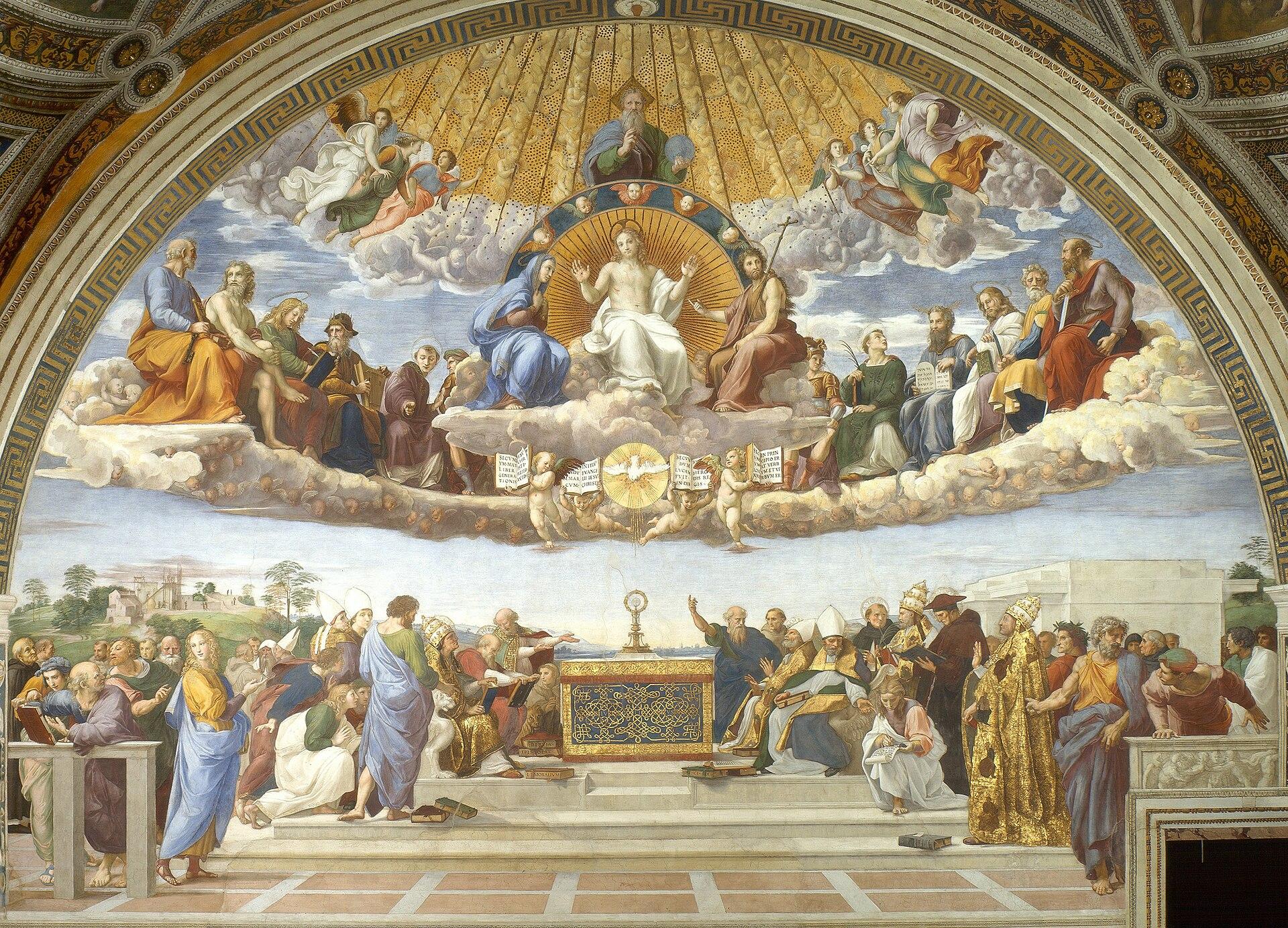
The Ordinary Form
According to the third typical edition of the Roman Missal (2002) and the corresponding English Translation (2011)
This order of Mass, properly referred to as the Novus Ordo, or new order of Mass, generally corresponds to the way Mass is celebrated in the Roman Rite after the Second Vatican Council. It is also commonly called the Revised Roman Rite, the Ordinary Form, or the Mass of Paul VI. Notable features of the Novus Ordo include the following: all parts of Mass may be said in the vernacular language; the priest commonly faces the people; communion may be received standing and on the hand, depending on the area; readings are on a three-year cycle; and most things are made optional according to the celebrant's desire (such as choosing any of the now four eucharitic prayers, the penitiencial rite, the language, whether to chant, etc.)
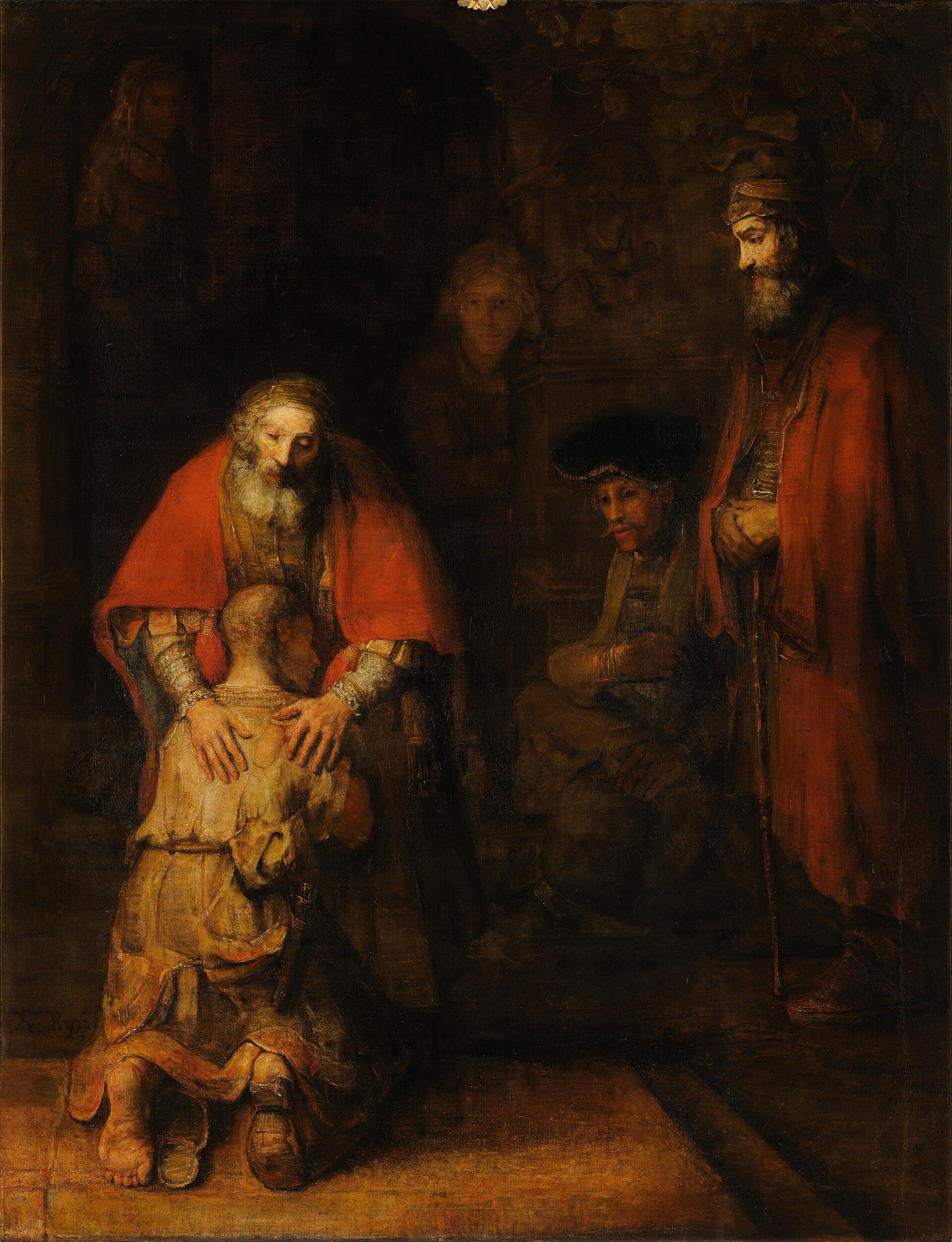
The Introductory Rites
The people gather, confess their sins, and are drawn together as one body before the throne of mercy.


Entrance Antiphon
Jer 29: 11, 12, 14
Dicit Dóminus: Ego cógito cogitatiónes pacis et non afflictiónis; invocábitis me, et ego exáudiam vos, et redúcam captivitátem vestram de cunctis locis. (When the people are gathered, the Priest approaches the altar with the ministers while the Entrance Chant is sung. When he has arrived at the altar, after making a profound bow with the ministers, the Priest venerates the altar with a kiss and, if appropriate, incenses the cross and the altar. Then, with the ministers, he goes to the chair.)
The Lord said: I think thoughts of peace and not of affliction. You will call upon me, and I will answer you, and I will lead back your captives from every place. (When the people are gathered, the Priest approaches the altar with the ministers while the Entrance Chant is sung. When he has arrived at the altar, after making a profound bow with the ministers, the Priest venerates the altar with a kiss and, if appropriate, incenses the cross and the altar. Then, with the ministers, he goes to the chair.)
The priest enters as the faithful sing, marking the start of Mass and our journey toward Christ.
Greeting & Sign of the Cross
The Penitential Act
Kyrie
P. Kýrie, eléison. R. Kýrie, eléison. P. Christe, eléison. R. Christe, eléison. P. Kýrie, eléison. R. Kýrie, eléison.
P. Lord, have mercy. R. Lord, have mercy. P. Christ, have mercy. R. Christ, have mercy. P. Lord, have mercy. R. Lord, have mercy.
The Kyrie is a very ancient prayer of the Church and the only prayer in the Roman Rite which is not in Latin, but Greek. It reflects a spirit of humility and is an abbreviation of the Litany of the Saints.
The Gloria
All. Glória in excélsis Deo et in terra pax homínibus bonæ voluntátis. Laudámus te, benedícimus te, adorámus te, glorificámus te, grátias ágimus tibi propter magnam glóriam tuam, Dómine Deus, Rex cæléstis, Deus Pater omnípotens. Dómine Fili Unigénite, Iesu Christe, Dómine Deus, Agnus Dei, Fílius Patris, qui tollis peccáta mundi, miserére nobis; qui tollis peccáta mundi, súscipe deprecatiónem nostram. Qui sedes ad déxteram Patris, miserére nobis. Quóniam tu solus Sanctus, tu solus Dóminus, tu solus Altíssimus, Iesu Christe, cum Sancto Spíritu: in glória Dei Patris. Amen.
All. Glory to God in the highest, and on earth peace to people of good will. We praise you, we bless you, we adore you, we glorify you, we give you thanks for your great glory, Lord God, heavenly King, O God, almighty Father. Lord Jesus Christ, Only Begotten Son, Lord God, Lamb of God, Son of the Father, you take away the sins of the world, have mercy on us; you take away the sins of the world, receive our prayer; you are seated at the right hand of the Father, have mercy on us. For you alone are the Holy One, you alone are the Lord, you alone are the Most High, Jesus Christ, with the Holy Spirit, in the glory of God the Father. Amen.
A majestic hymn of praise sung on Sundays and feasts (outside Advent and Lent), echoing the angels’ song at Christ’s birth. The is intoned by the priest and continued by the choir.
The Collect
P. (hands joined) Orémus. (all pray silently for a moment) P. (hands extended) Da nobis, quǽsumus, Dómine Deus noster, in tua semper devotióne gaudére, quia perpétua est et plena felícitas, si bonórum ómnium iúgiter serviámus auctóri. Per Dóminum. R. Amen.
P. (hands joined) Let us pray. (all pray silently for a moment) P. (hands extended) Grant us, we pray, O Lord our God, the constant gladness of being devoted to you, for it is full and lasting happiness to serve with constancy the author of all that is good. Through our Lord Jesus Christ, your Son, who lives and reigns with you in the unity of the Holy Spirit, one God, for ever and ever. R. Amen.
The priest gathers the prayers of the Church into a solemn petition proper to the day.
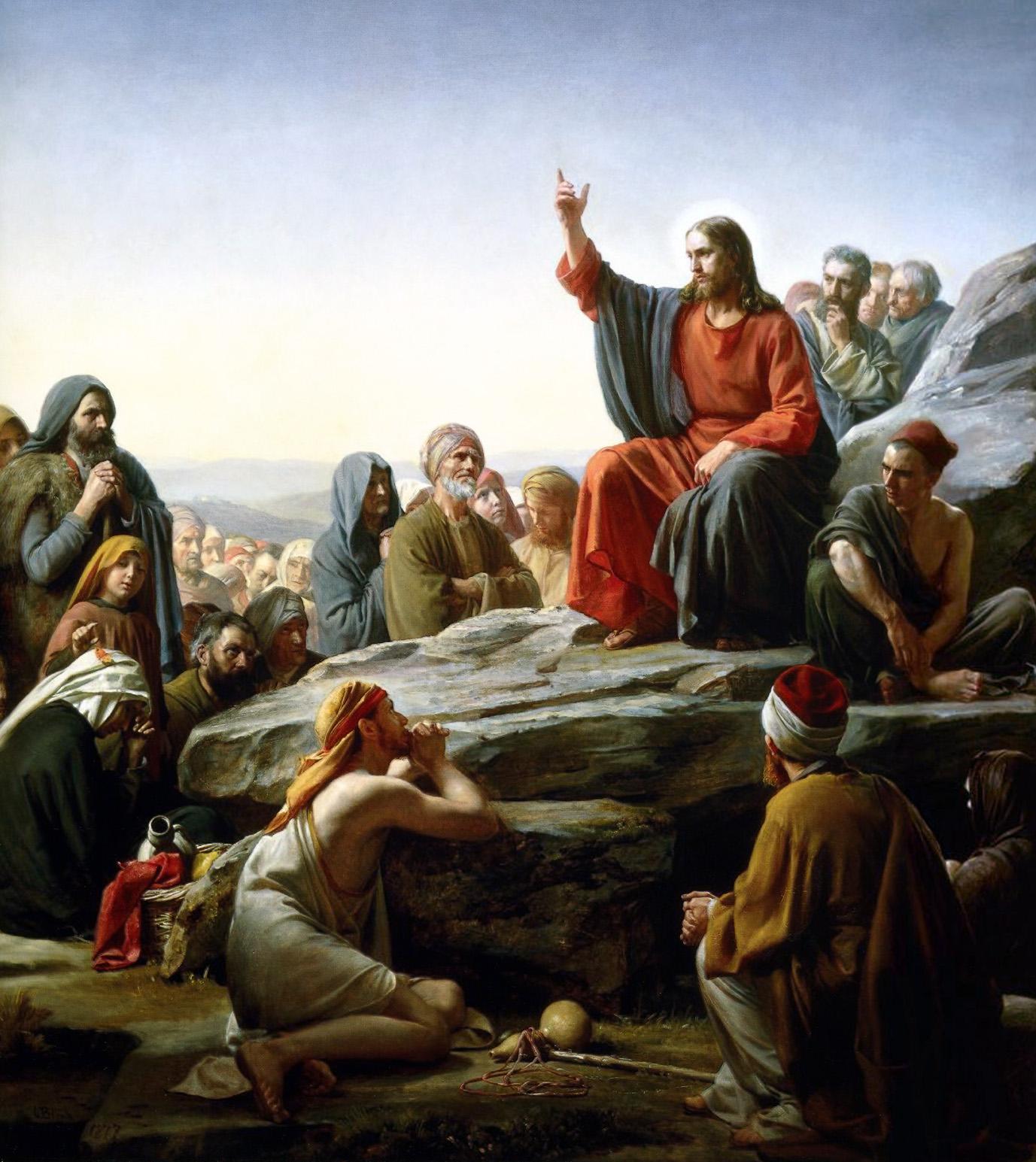
The Liturgy of the Word
God speaks to his people. The Scriptures are proclaimed, the Gospel acclaimed, and the faith professed.
The First Reading
Proverbs 31:10-13, 19-20, 30-31
When one finds a worthy wife, her value is far beyond pearls. Her husband, entrusting his heart to her, has an unfailing prize. She brings him good, and not evil, all the days of her life. She obtains wool and flax and works with loving hands. She puts her hands to the distaff, and her fingers ply the spindle. She reaches out her hands to the poor, and extends her arms to the needy. Charm is deceptive and beauty fleeting; the woman who fears the LORD is to be praised. Give her a reward for her labors, and let her works praise her at the city gates. The word of the Lord. R. Thanks be to God.
Usually from the Old Testament; in Eastertide, from the Acts of the Apostles.
The Responsorial Psalm
Psalm 128 (127):1-2, 3, 4-5 (cf. 1a)
R. (cf. 1a) Blessed are those who fear the Lord. Blessed are you who fear the LORD, who walk in his ways! For you shall eat the fruit of your handiwork; blessed shall you be, and favored. R. Blessed are those who fear the Lord. Your wife shall be like a fruitful vine in the recesses of your home; Your children like olive plants around your table. R. Blessed are those who fear the Lord. Behold, thus is the man blessed who fears the LORD. The LORD bless you from Zion: may you see the prosperity of Jerusalem all the days of your life. R. Blessed are those who fear the Lord.
The Second Reading
1 Thessalonians 5:1-6
Concerning times and seasons, brothers and sisters, you have no need for anything to be written to you. For you yourselves know very well that the day of the Lord will come like a thief at night. When people are saying, "Peace and security," then sudden disaster comes upon them, like labor pains upon a pregnant woman, and they will not escape. But you, brothers and sisters, are not in darkness, for that day to overtake you like a thief. For all of you are children of the light and children of the day. We are not of the night or of darkness. Therefore, let us not sleep as the rest do, but let us stay alert and sober. The word of the Lord. R. Thanks be to God.
On Sundays and solemnities, drawn from the New Testament letters.
Alleluia
R. Alleluia, alleluia. Remain in me as I remain in you, says the Lord. Whoever remains in me bears much fruit. R. Alleluia, alleluia.
The Gospel
Matthew 25:14-30 (or Matthew 25:14-15, 19-21)
P. The Lord be with you. R. And with your spirit. P. A reading from the holy Gospel according to N. (makes the ✠ Sign of the Cross on the book and on his forehead, lips, and breast) P. Jesus told his disciples this parable: "A man going on a journey called in his servants and entrusted his possessions to them. To one he gave five talents; to another, two; to a third, one-- to each according to his ability. Then he went away. Immediately the one who received five talents went and traded with them, and made another five. Likewise, the one who received two made another two. But the man who received one went off and dug a hole in the ground and buried his master's money." After a long time the master of those servants came back and settled accounts with them. The one who had received five talents came forward bringing the additional five. He said, 'Master, you gave me five talents. See, I have made five more.' His master said to him, 'Well done, my good and faithful servant. Since you were faithful in small matters, I will give you great responsibilities. Come, share your master's joy.' Then the one who had received two talents also came forward and said, 'Master, you gave me two talents. See, I have made two more.' His master said to him, 'Well done, my good and faithful servant. Since you were faithful in small matters, I will give you great responsibilities. Come, share your master's joy.' Then the one who had received the one talent came forward and said, 'Master, I knew you were a demanding person, harvesting where you did not plant and gathering where you did not scatter; so out of fear I went off and buried your talent in the ground. Here it is back.' His master said to him in reply, 'You wicked, lazy servant! So you knew that I harvest where I did not plant and gather where I did not scatter? Should you not then have put my money in the bank so that I could have got it back with interest on my return? Now then! Take the talent from him and give it to the one with ten. For to everyone who has, more will be given and he will grow rich; but from the one who has not, even what he has will be taken away. And throw this useless servant into the darkness outside, where there will be wailing and grinding of teeth.'" Or P. Jesus told his disciples this parable: "A man going on a journey called in his servants and entrusted his possessions to them. To one he gave five talents; to another, two; to a third, one-- to each according to his ability. Then he went away." After a long time the master of those servants came back and settled accounts with them. The one who had received five talents came forward bringing the additional five. He said, 'Master, you gave me five talents. See, I have made five more.' His master said to him, 'Well done, my good and faithful servant. Since you were faithful in small matters, I will give you great responsibilities. Come, share your master's joy.'" P. The Gospel of the Lord. R. Praise to you, Lord Jesus Christ. P. (he kisses the book, saying quietly) Through the words of the Gospel may our sins be wiped away.
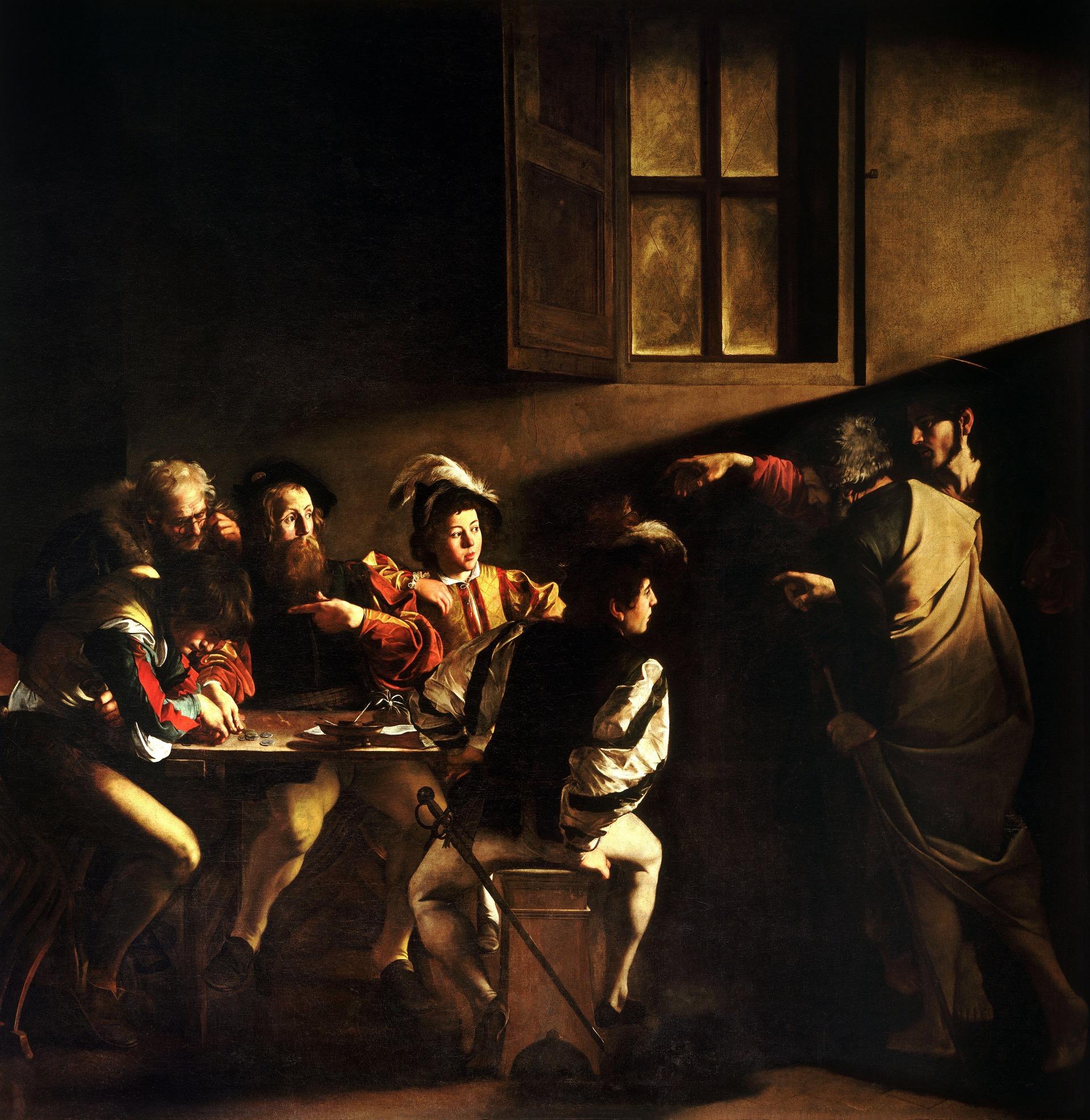
The Homily
Preached by the priest or deacon; on Sundays and holy days it is obligatory and is based on the readings of the day.
The Creed
The Universal Prayer
[For the needs of the Church (the Pope, bishops, clergy, and all believers)... We pray to the Lord] R. Lord hear our prayer. [For public authorities and the salvation of the whole world (world leaders, peace, and justice)... We pray to the Lord] R. Lord hear our prayer. [For those burdened by any difficulty (the sick, poor, imprisoned, or suffering)... We pray to the Lord] R. Lord hear our prayer. [For the local community (parish needs, families, and the faithful departed)... We pray to the Lord] R. Lord hear our prayer.
Also called the Prayer of the Faithful, this prayer includes submitted petitions and reflect the needs of the people. The Church provides a format but does not dictate the content.
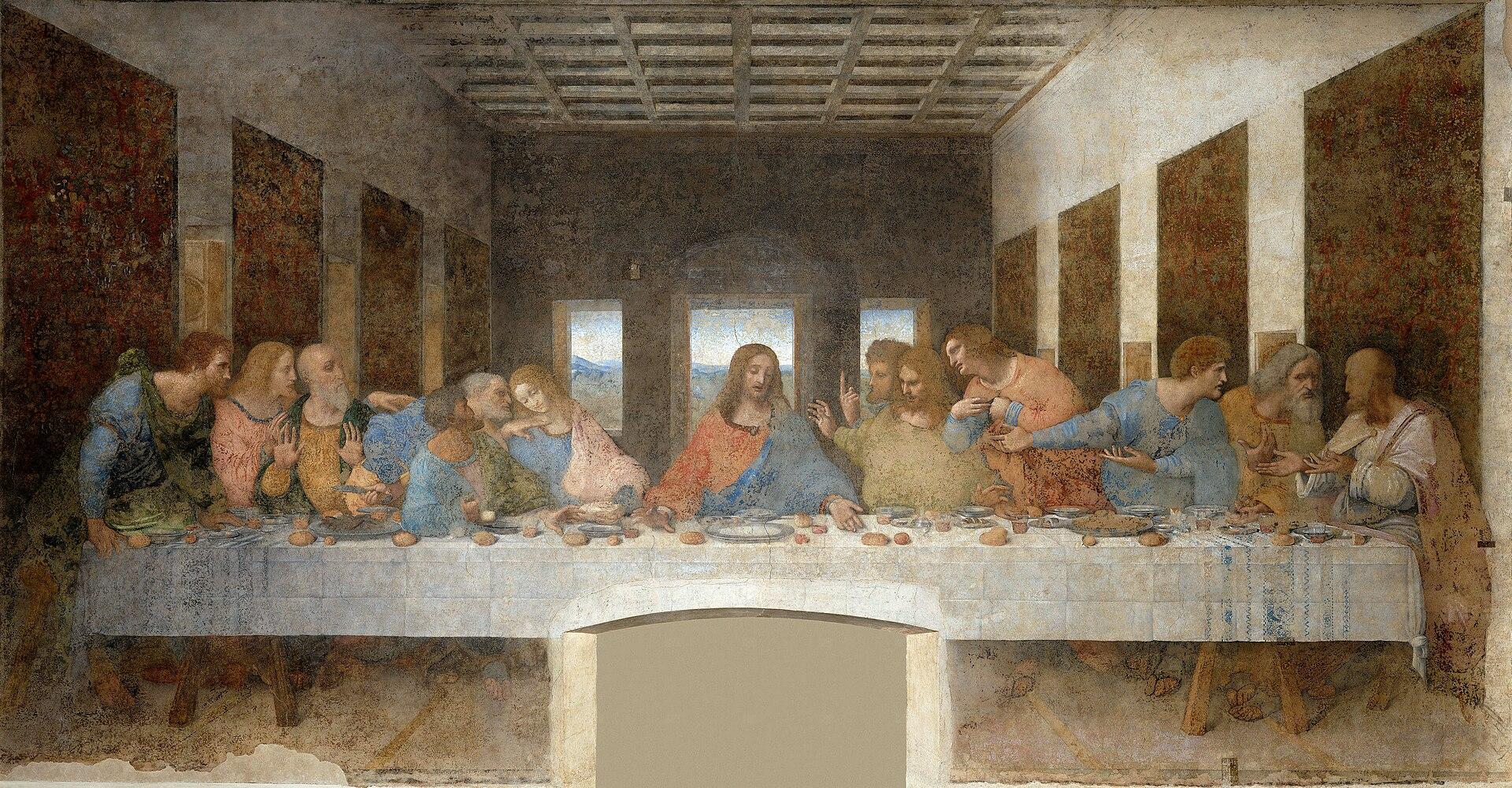
The Liturgy of the Eucharist
Bread and wine are offered, and by the power of the Spirit and the words of Christ become his Body and Blood.
The Presentation of the Gifts
P. (he pours wine and a little water into the chalice, saying quietly) Benedíctus es, Dómine, Deus univérsi, quia de tua largitáte accépimus panem, quem tibi offérimus, fructum terræ et óperis mánuum hóminum: ex quo nobis fiet panis vitæ. R. Benedíctus Deus in sǽcula. P. Per huius aquæ et vini mystérium eius efficiámur divinitátis consórtes, qui humanitátis nostræ fíeri dignátus est párticeps. (he takes the chalice and holds it slightly raised above the altar with both hands, saying in a low voice) Benedíctus es, Dómine, Deus univérsi, quia de tua largitáte accépimus vinum, quod tibi offérimus, fructum vitis et óperis mánuum hóminum, ex quo nobis fiet potus spiritális. R. Benedíctus Deus in sǽcula P. (bows) In spíritu humilitátis et in ánimo contríto suscipiámur a te, Dómine; et sic fiat sacrifícium nostrum in conspéctu tuo hódie, ut pláceat tibi, Dómine Deus. P. (he may also insense the offerings, the cross, and the altar. A Deacon or other minister then incenses the Priest and the people.) P. (standing at the side of the altar, washes his hands, saying quietly) Lava me, Dómine, ab iniquitáte mea, et a peccáto meo munda me. P. (Standing at the middle of the altar, facing the people, extending and then joining his hands) Oráte, fratres: ut meum ac vestrum sacrifícium acceptábile fiat apud Deum Patrem omnipoténtem. R. Suscípiat Dóminus sacrifícium de mánibus tuis ad laudem et glóriam nóminis sui, ad utilitátem quoque nostram totiúsque Ecclésiæ suæ sanctæ. P. Prays over the altar R. Amen.
P. (he pours wine and a little water into the chalice, saying quietly) Blessed are you, Lord God of all creation, for through your goodness we have received the bread we offer you: fruit of the earth and work of human hands, it will become for us the bread of life. R. Blessed be God for ever. P. By the mystery of this water and wine may we come to share in the divinity of Christ who humbled himself to share in our humanity. (he takes the chalice and holds it slightly raised above the altar with both hands, saying in a low voice) Blessed are you, Lord God of all creation, for through your goodness we have received the wine we offer you: fruit of the vine and work of human hands, it will become our spiritual drink. R. Blessed be God for ever. P. (bows) With humble spirit and contrite heart may we be accepted by you, O Lord, and may our sacrifice in your sight this day be pleasing to you, Lord God. P. (he may also insense the offerings, the cross, and the altar. A Deacon or other minister then incenses the Priest and the people.) P. (standing at the side of the altar, washes his hands, saying quietly) Wash me, O Lord, from my iniquity and cleanse me from my sin. P. (Standing at the middle of the altar, facing the people, extending and then joining his hands) Pray, brethren (brothers and sisters), that my sacrifice and yours may be acceptable to God, the almighty Father. R. May the Lord accept the sacrifice at your hands for the praise and glory of his name, for our good and the good of all his holy Church. P. Prays over the altar R. Amen.
The presents the bread upon the and the wine in the chalice — the fruit of the earth and work of human hands, soon to be transformed.
Prayer over the Offerings
P. (hands extended) Concéde, quǽsumus, Dómine, ut óculis tuæ maiestátis munus oblátum et grátiam nobis devotiónis obtíneat, et efféctum beátæ perennitátis acquírat. Per Christum. R. Amen.
P. (hands extended) Grant, O Lord, we pray, that what we offer in the sight of your majesty may obtain for us the grace of being devoted to you and gain us the prize of everlasting happiness. Through Christ our Lord. R. Amen.
The Eucharistic Prayer
There are four main eucharistic prayers permitted, the first one being the Roman Canon, slightly modified. Within the eucharistic prayers, there are some parts which do not change, others which are propers, and others which are preference.
Preface
The Sanctus
Sanctus, Sanctus, Sanctus Dóminus Deus Sábaoth. Pleni sunt cæli et terra glória tua. Hosánna in excélsis. Benedíctus qui venit in nómine Dómini. Hosánna in excélsis.
Holy, Holy, Holy Lord God of hosts. Heaven and earth are full of your glory. Hosanna in the highest. Blessed is he who comes in the name of the Lord. Hosanna in the highest.
Prayers Before the Consecration

Prayers At The Consecration
Prayers After The Consecration
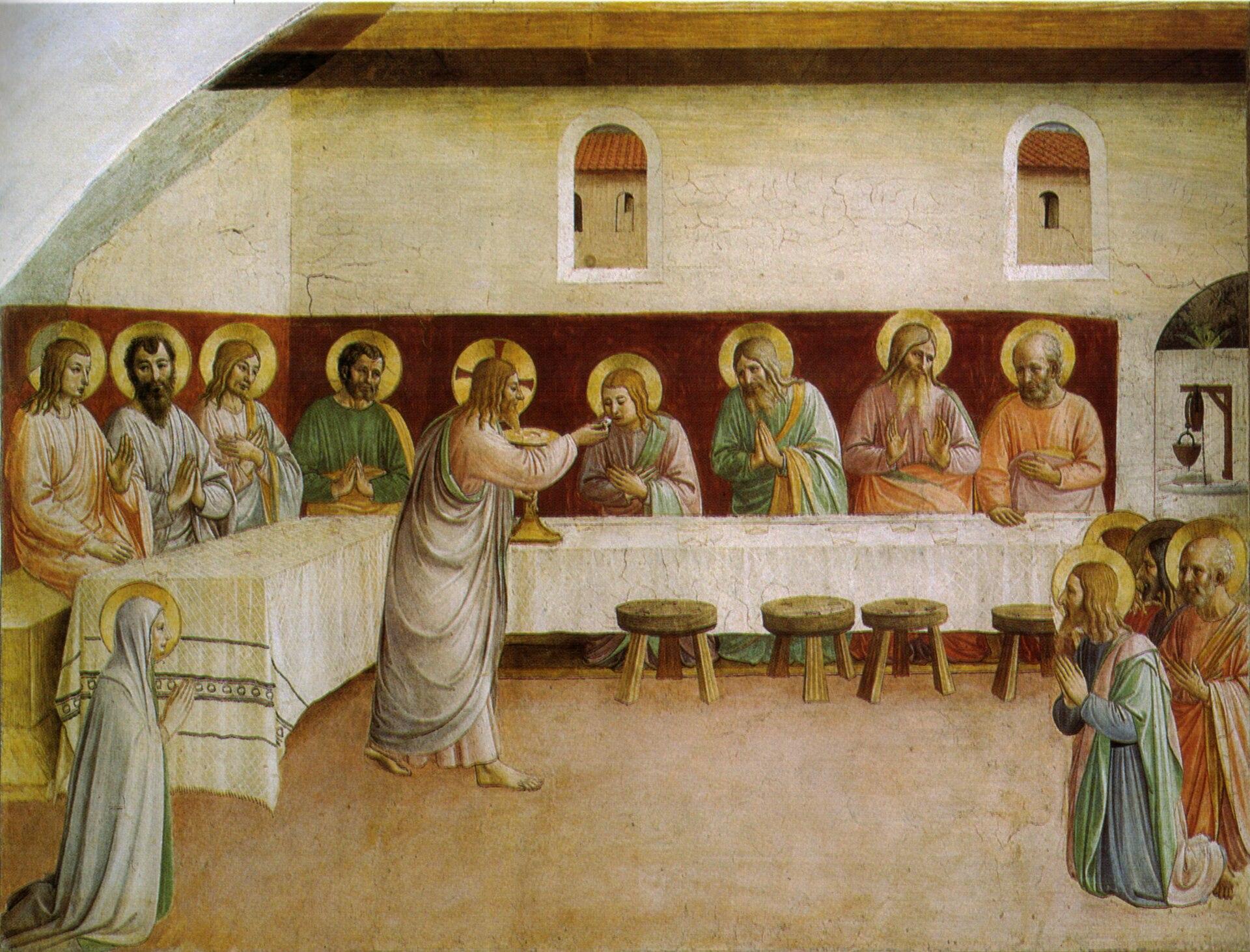
The Communion Rite
Prepared by the Lord’s own prayer and the sign of peace, the faithful receive the Bread of Life.
The Lord’s Prayer
P. Præcéptis salutáribus móniti, et divína institutióne formáti, audémus dícere: All. Pater noster, qui es in cælis: sanctificétur nomen tuum; advéniat regnum tuum; fiat volúntas tua, sicut in cælo, et in terra. Panem nostrum cotidiánum da nobis hódie; et dimítte nobis débita nostra, sicut et nos dimíttimus debitóribus nostris; et ne nos indúcas in tentatiónem; sed líbera nos a malo. P. Líbera nos, quǽsumus, Dómine, ab ómnibus malis, da propítius pacem in diébus nostris, ut, ope misericórdiæ tuæ adiúti, et a peccáto simus semper líberi et ab omni perturbatióne secúri: exspectántes beátam spem et advéntum Salvatóris nostri Iesu Christi. R. Quia tuum est regnum, et potéstas, et glória in sǽcula.
P. At the Savior’s command and formed by divine teaching, we dare to say: All. Our Father, who art in heaven, hallowed be thy name; thy kingdom come, thy will be done on earth as it is in heaven. Give us this day our daily bread, and forgive us our trespasses, as we forgive those who trespass against us; and lead us not into temptation, but deliver us from evil. P. Deliver us, Lord, we pray, from every evil, graciously grant peace in our days, that, by the help of your mercy, we may be always free from sin and safe from all distress, as we await the blessed hope and the coming of our Savior, Jesus Christ. R. For the kingdom, the power and the glory are yours now and for ever.
The Rite of Peace
P. Dómine Iesu Christe, qui dixísti Apóstolis tuis: Pacem relínquo vobis, pacem meam do vobis: ne respícias peccáta nostra, sed fidem Ecclésiæ tuæ; eámque secúndum voluntátem tuam pacificáre et coadunáre dignéris. (He joins his hands) Qui vivis et regnas in sǽcula sæculórum. R. Amen. P. Pax Dómini sit semper vobíscum. R. Et cum spíritu tuo. P. Offérte vobis pacem.
P. Lord Jesus Christ, who said to your Apostles: Peace I leave you, my peace I give you, look not on our sins, but on the faith of your Church, and graciously grant her peace and unity in accordance with your will. (He joins his hands) Who live and reign for ever and ever. R. Amen. P. The peace of the Lord be with you always. R. And with your spirit. P. Let us offer each other the sign of peace.
Agnus Dei
P. Hæc commíxtio Córporis et Sánguinis Dómini nostri Iesu Christi fiat accipiéntibus nobis in vitam ætérnam. All. Agnus Dei, qui tollis peccáta mundi: miserére nobis. Agnus Dei, qui tollis peccáta mundi: miserére nobis. Agnus Dei, qui tollis peccáta mundi: dona nobis pacem. P. Dómine Iesu Christe, Fili Dei vivi, qui ex voluntáte Patris, cooperánte Spíritu Sancto, per mortem tuam mundum vivificásti: líbera me per hoc sacrosánctum Corpus et Sánguinem tuum ab ómnibus iniquitátibus meis et univérsis malis: et fac me tuis semper inhærére mandátis, et a te numquam separári permíttas.
P. May this mingling of the Body and Blood of our Lord Jesus Christ bring eternal life to us who receive it. All. Lamb of God, you take away the sins of the world, have mercy on us. Lamb of God, you take away the sins of the world, have mercy on us. Lamb of God, you take away the sins of the world, grant us peace. P. Lord Jesus Christ, Son of the living God, who, by the will of the Father and the work of the Holy Spirit, through your Death gave life to the world, free me by this, your most holy Body and Blood, from all my sins and from every evil; keep me always faithful to your commandments, and never let me be parted from you.
The accompanies the breaking of the Bread.
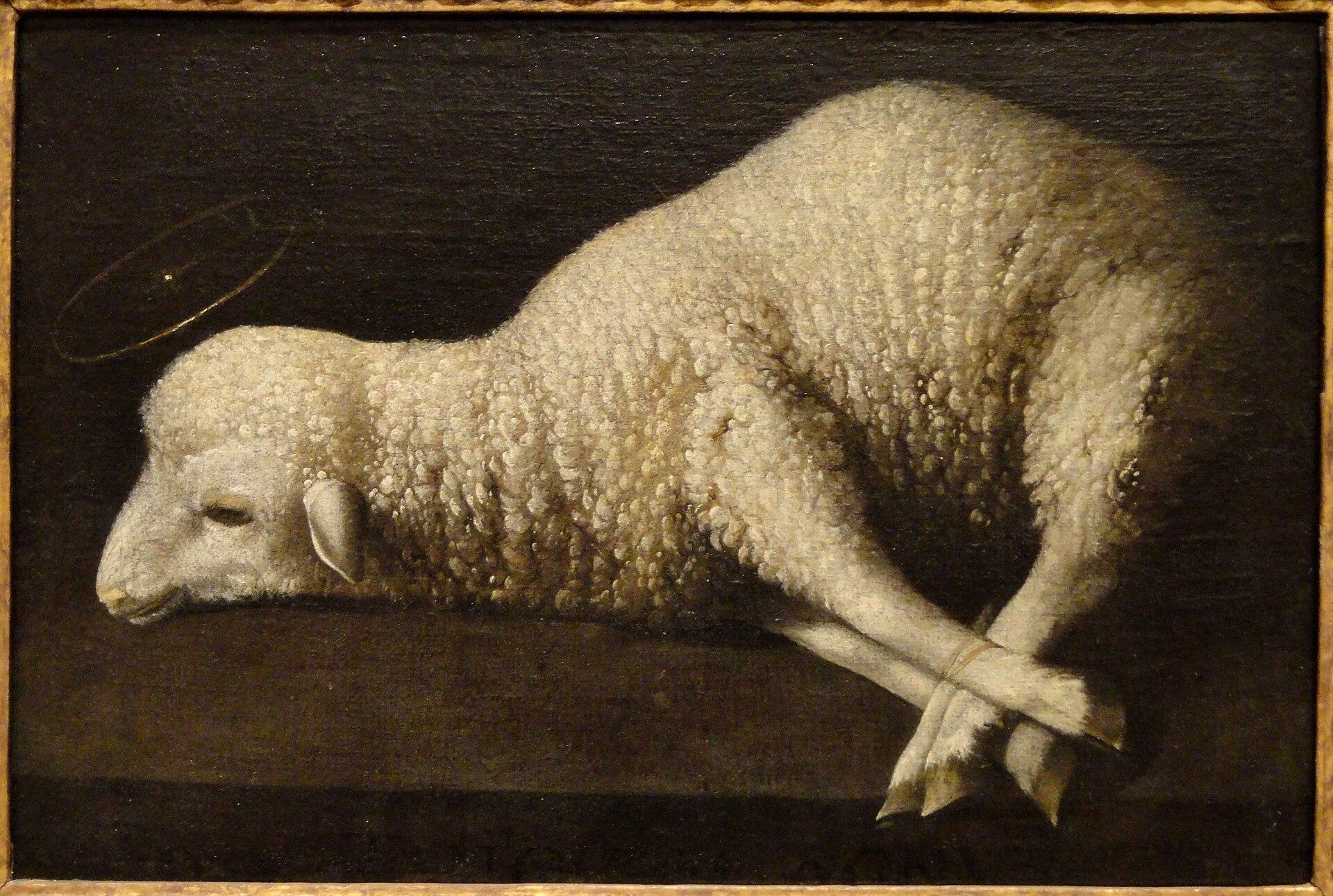
Ecce Agnus Dei
P. (he genuflects raising the host above the chalice or paten, facing the people) Ecce Agnus Dei, ecce qui tollit peccáta mundi. Beáti qui ad cenam Agni vocáti sunt. All. Dómine, non sum dignus, ut intres sub téctum meum, sed tantum dic verbo, et sanábitur ánima mea. P. (facing the altar) Corpus Christi custódiat me in vitam ætérnam. (he consumes the host) Sanguis Christi custódiat me in vitam ætérnam. (he consumes the blood of Christ)
P. (he genuflects raising the host above the chalice or paten, facing the people) Behold the Lamb of God, behold him who takes away the sins of the world. Blessed are those called to the supper of the Lamb. All. Lord, I am not worthy that you should enter under my roof, but only say the word and my soul shall be healed. P. (facing the altar) May the Body of Christ keep me safe for eternal life. (he consumes the host) May the Blood of Christ keep me safe for eternal life. (he consumes the blood of Christ)
Communion Antiphon
Holy Communion
P. Corpus Christi. R. Amen. P. (when purifying the vessels) Quod ore súmpsimus, Dómine, pura mente capiámus, et de múnere temporáli fiat nobis remédium sempitérnum.
P. The body of Christ. R. Amen. P. (when purifying the vessels) What has passed our lips as food, O Lord, may we possess in purity of heart, that what has been given to us in time may be our healing for eternity.
The priest distributes communion to the people.
Prayer after Communion
P. (hands joined) Orémus. (pause briefly for silence) Súmpsimus, Dómine, sacri dona mystérii, humíliter deprecántes, ut, quæ in sui commemoratiónem nos Fílius tuus fácere præcépit, in nostræ profíciant caritátis augméntum. Per Christum.
P. (hands joined) Let us pray. (pause briefly for silence) We have partaken of the gifts of this sacred mystery, humbly imploring, O Lord, that what your Son commanded us to do in memory of him may bring us growth in charity. Through Christ our Lord.
The Concluding Rites
Blessed and sent, the faithful go out to love and serve the Lord in the world.
The Final Blessing
P. Dóminus vobíscum. R. Et cum spíritu tuo. P. Benedícat vos omnípotens Deus, Pater, ✠ et Fílius, et Spíritus Sanctus. R. Amen.
P. The Lord be with you. R. And with your spirit. P. May almighty God bless you, the Father, and the Son, ✠ and the Holy Spirit. R. Amen.
The Dismissal
“Ite, missa est.” — Go forth, the Mass is ended.